Bathroom Water Damage Repair in Charleston, SC
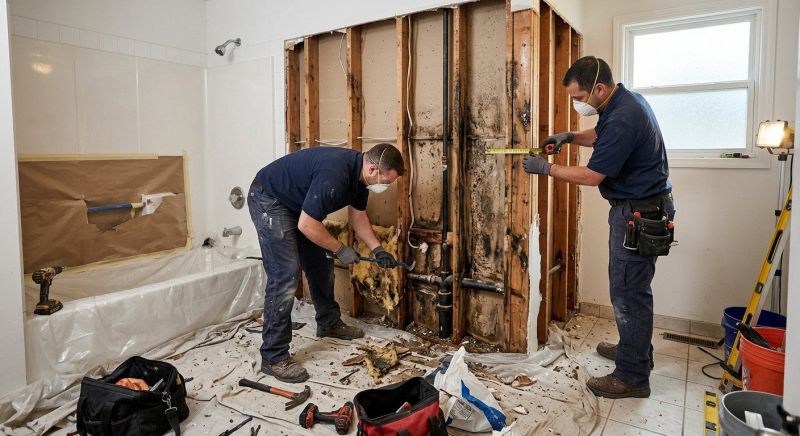
Bathroom water damage repair services address issues caused by leaks, overflows, or plumbing failures that result in water intrusion within bathroom areas. These projects typically include fixing damaged drywall, flooring, cabinets, and fixtures, as well as removing excess moisture to prevent mold growth. Property owners often seek this service after experiencing unexpected water leaks, persistent dampness, or visible signs of water intrusion, aiming to restore the bathroom’s condition and prevent further damage.
Before requesting bathroom water damage repair, homeowners should understand the extent of the damage, including whether it affects only surface materials or has compromised structural components. It is also helpful to know if any ongoing leaks or plumbing issues need to be addressed to prevent recurrence. Clear communication about the scope of the damage and any existing plumbing concerns can facilitate a more effective repair process and ensure the space is properly restored.
Many property owners in Charleston, SC look into Bathroom Water Damage Repair for repairs, replacements, upgrades, and appearance-related improvements.
Common Causes Of Bathroom Water Damage
Leaking pipes, faulty fixtures, and poor ventilation can lead to water issues in bathrooms.
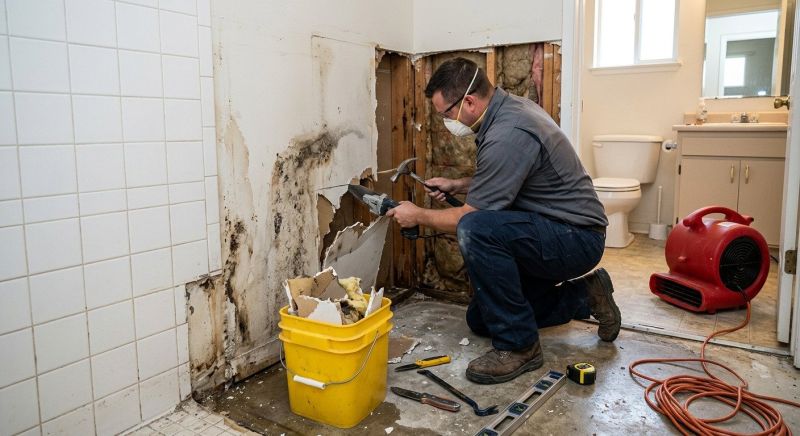
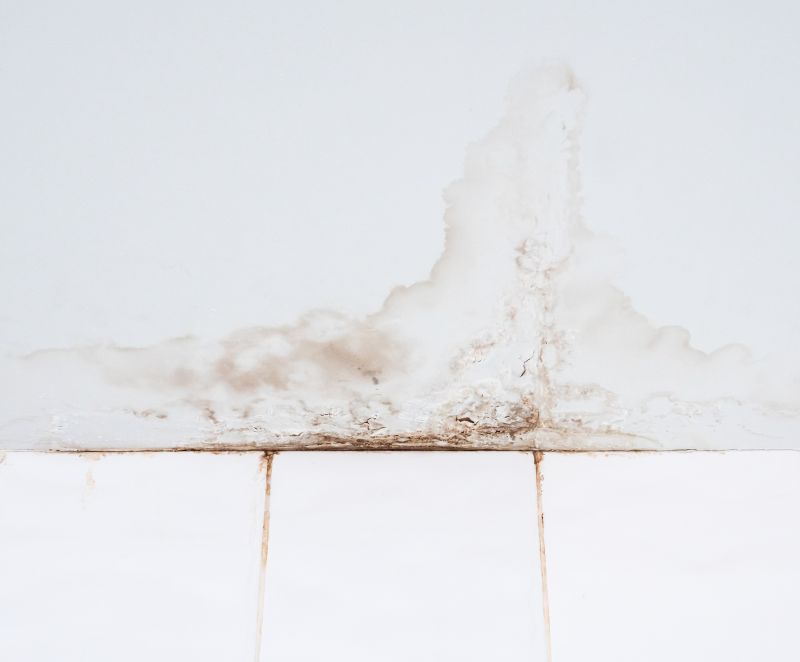
Signs Of Water Damage In Bathrooms
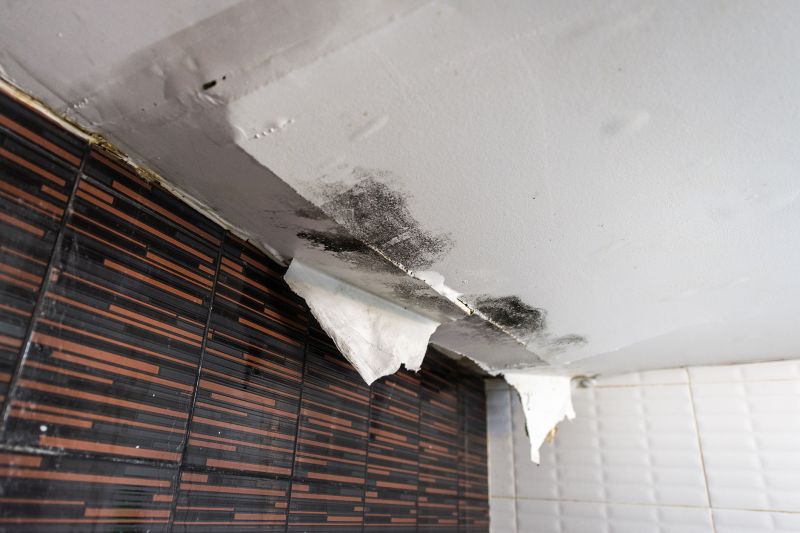
Look for discoloration, warped surfaces, and musty odors indicating hidden water problems.
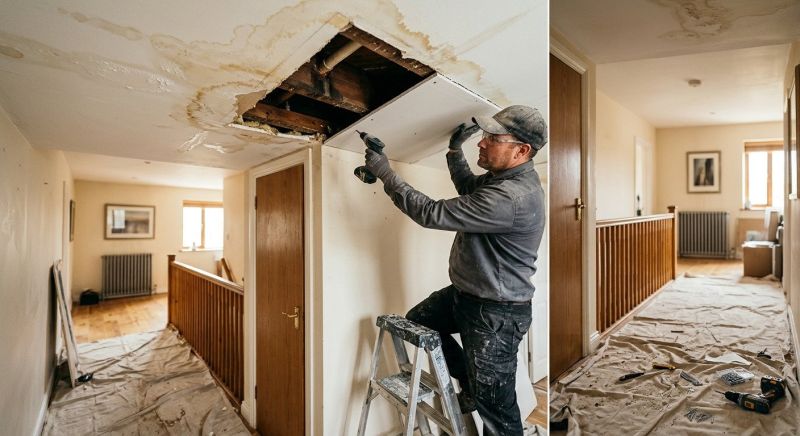
Restoration And Prevention Tips
Proper drying, sealing, and maintenance help protect bathrooms from future water damage.
Bathroom Water Damage Repair in Charleston, SC

Bathroom water damage repair services address issues caused by leaks, overflows, or plumbing failures that result in water intrusion within bathroom areas. These projects typically include fixing damaged drywall, flooring, cabinets, and fixtures, as well as removing excess moisture to prevent mold growth. Property owners often seek this service after experiencing unexpected water leaks, persistent dampness, or visible signs of water intrusion, aiming to restore the bathroom’s condition and prevent further damage.
Before requesting bathroom water damage repair, homeowners should understand the extent of the damage, including whether it affects only surface materials or has compromised structural components. It is also helpful to know if any ongoing leaks or plumbing issues need to be addressed to prevent recurrence. Clear communication about the scope of the damage and any existing plumbing concerns can facilitate a more effective repair process and ensure the space is properly restored.
Many property owners in Charleston, SC look into Bathroom Water Damage Repair for repairs, replacements, upgrades, and appearance-related improvements.
Common Bathroom Water Damage Repair Jobs
Bathroom Water Damage Repair - Restores damaged walls, floors, and fixtures caused by leaks or flooding.
Leak Detection and Repair - Identifies and fixes hidden leaks to prevent further water damage.
Mold Remediation - Removes mold growth resulting from excess moisture in bathroom areas.
Drying and Dehumidification - Eliminates moisture to prevent structural issues and mold development.
Structural Repair - Reinforces or replaces weakened drywall, flooring, and cabinetry.
Water Damage Prevention - Implements strategies to minimize future water-related damage risks.
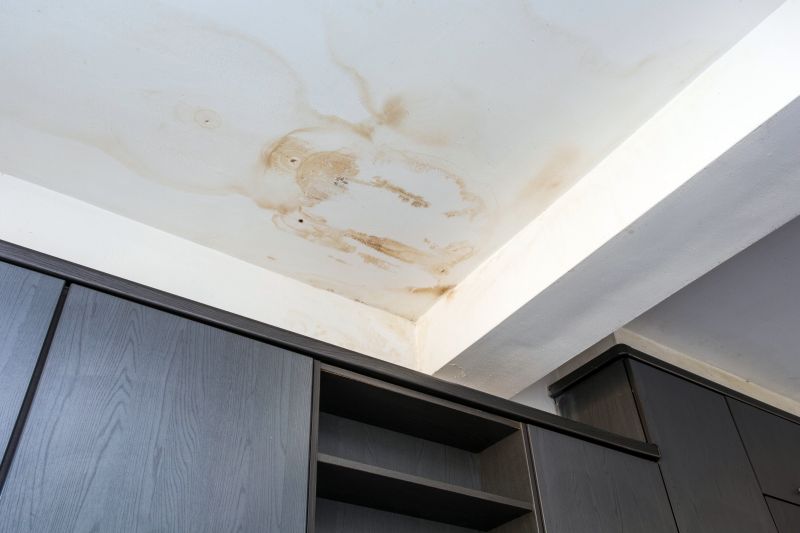
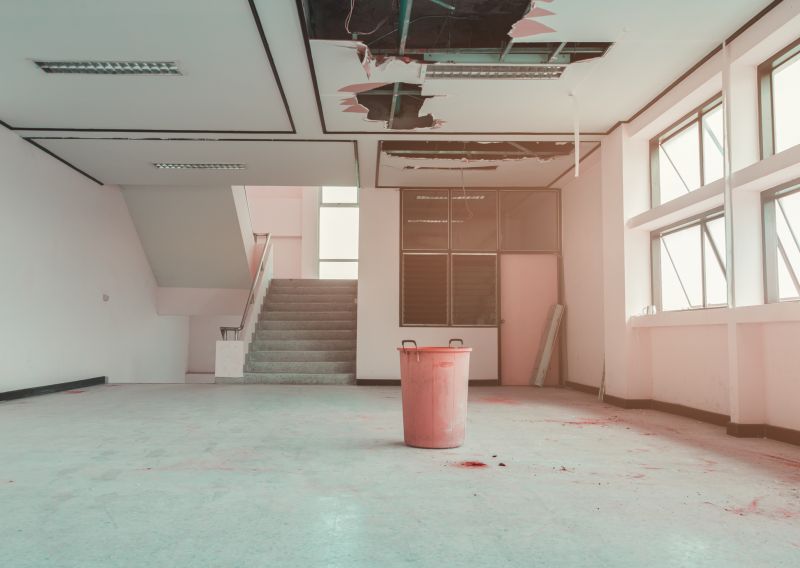
Bathroom Water Damage Repair Questions
What causes water damage in bathrooms? Water damage often results from leaks, overflowing fixtures, or poor sealing around tubs and toilets.
How can water damage affect a bathroom? It can lead to mold growth, wood rot, and structural issues if not addressed promptly.
What signs indicate water damage in a bathroom? Signs include discoloration, warped surfaces, musty odors, and peeling paint or wallpaper.
What is the first step in repairing bathroom water damage? Identifying and stopping the source of water is essential before beginning repairs and restoration.
Request Bathroom Water Damage Repair in Charleston, SC
Use the quote form on this page to share the basics of your project and request more information for the type of work you need.